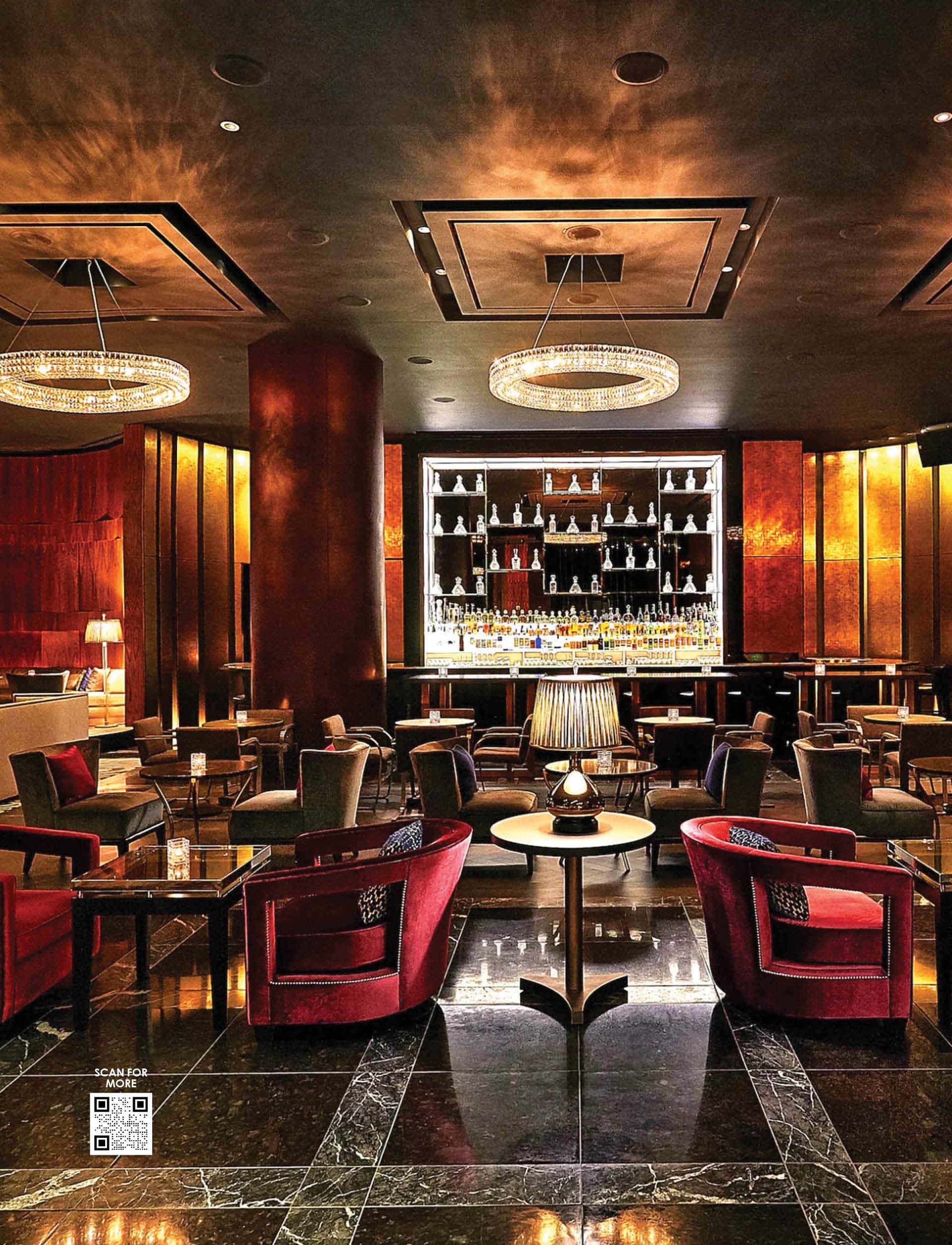
The Omakase Moment
How counter-seat sushi became the most coveted reservation in American dining — and where it's quietly thriving.
June 10, 2026
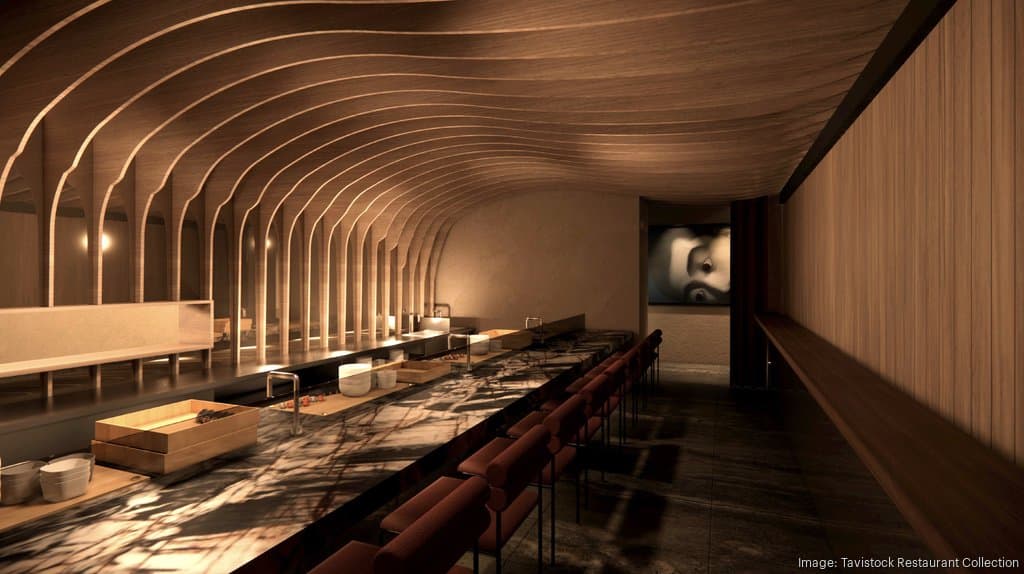
There is no meal in American dining more intimate than omakase. A handful of seats. A single chef. A few hours in which you surrender every decision — what you eat, in what order, at what pace — to the person standing across the counter from you. The word itself means "I leave it up to you." For a culture that prizes choice above almost everything, the appeal is almost paradoxical: the luxury here is not choosing.
A decade ago, the great omakase counters were a niche pursuit — a thing serious eaters whispered about, tucked behind unmarked doors downtown. Today they are the hardest reservations in America. Seats are released weeks in advance and vanish in minutes. Prices climb into triple digits before the first piece of fish arrives. And the format has spread far beyond the coasts, into cities you might not expect.
The apex
If American omakase has a summit, it is in New York, and it has two peaks.
Masa, at the top of the Time Warner Center, has been the genre's grand statement for two decades — a hinoki counter, a chef in Masa Takayama, and a bill that remains one of the most expensive in the country. It is omakase as occasion, the meal you build a trip around.
And then there is Sushi Sho — Keiji Nakazawa's New York counter and the only three-Michelin-star omakase in America. Where Masa is grandeur, Sushi Sho is rigor: edomae tradition rendered with a purity that the inspectors rewarded above all others. Between the two, New York holds the format's only multi-star rooms — the natural apex of any ranking.
The surprise
Here is the part most national guides miss: some of the most decorated omakase in America isn't in New York or Los Angeles. It's in Orlando.
Three of the country's Michelin-starred omakase counters sit in a single Florida metro. Kadence is the tiny, devotional original — a handful of seats, a chef's obsession made edible. Nami and Soseki round out a trio that has quietly made Orlando one of the most serious sushi cities in the South. It's the kind of fact that surprises everyone except the people who've eaten there — which is, increasingly, the whole point of paying attention.
The format's reach doesn't stop there. Omakase Table earned Atlanta a star; Tatsu did the same for Dallas. The counter has gone national.
Why now
It's worth asking why a format built on restraint became the defining luxury of an excessive decade. Part of it is theater — there is no better dinner-as-performance than watching a master work eighteen inches from your plate. Part of it is scarcity, the modern aphrodisiac: a counter that seats eight will always be more coveted than a room that seats eighty. And part of it, we suspect, is the surrender itself. In a world of infinite menus and endless options, there is something deeply restful about sitting down, meeting the chef's eyes, and saying: I leave it up to you.
Find the format across the country under Omakase — or explore the counters in your city.